to me, one of the weirdest things about our economy right now is the credential inflation
like my dad got a job as a mechanic when he graduated high school, and he was employed with a high school diploma to a full time job with a union, and had health insurance and benefits.
at this point, I have graduated from high school, have a Bachelor’s degree, have a Master’s Degree, have two years of experience working in my field, and am a due paying member of multiple professional organizations. And that qualifies me to compete in a two-stage interview process for a part time job that offers no health care.
This is what decades of stripping the working class of their rights looks like.
there’s a post going around about mixing nyquil with 5 hour energy and I’m thinking about the time my parents were both out of town and my brother was in charge of dropping me off at school and I must’ve been 15 or 16 and I was really miserably sick so he gave me nyquil and but the time we were pulling up to the school I was crashing so his friend who was driving said ‘I have a redbull in the glove compartment” and they said “drink it and it’ll like even it out” so I did and I walked into school at 7:30 AM
and then immediately the last bell rang and school was over.
potion seller, I’m going into school and I need your STRONGEST dissociation
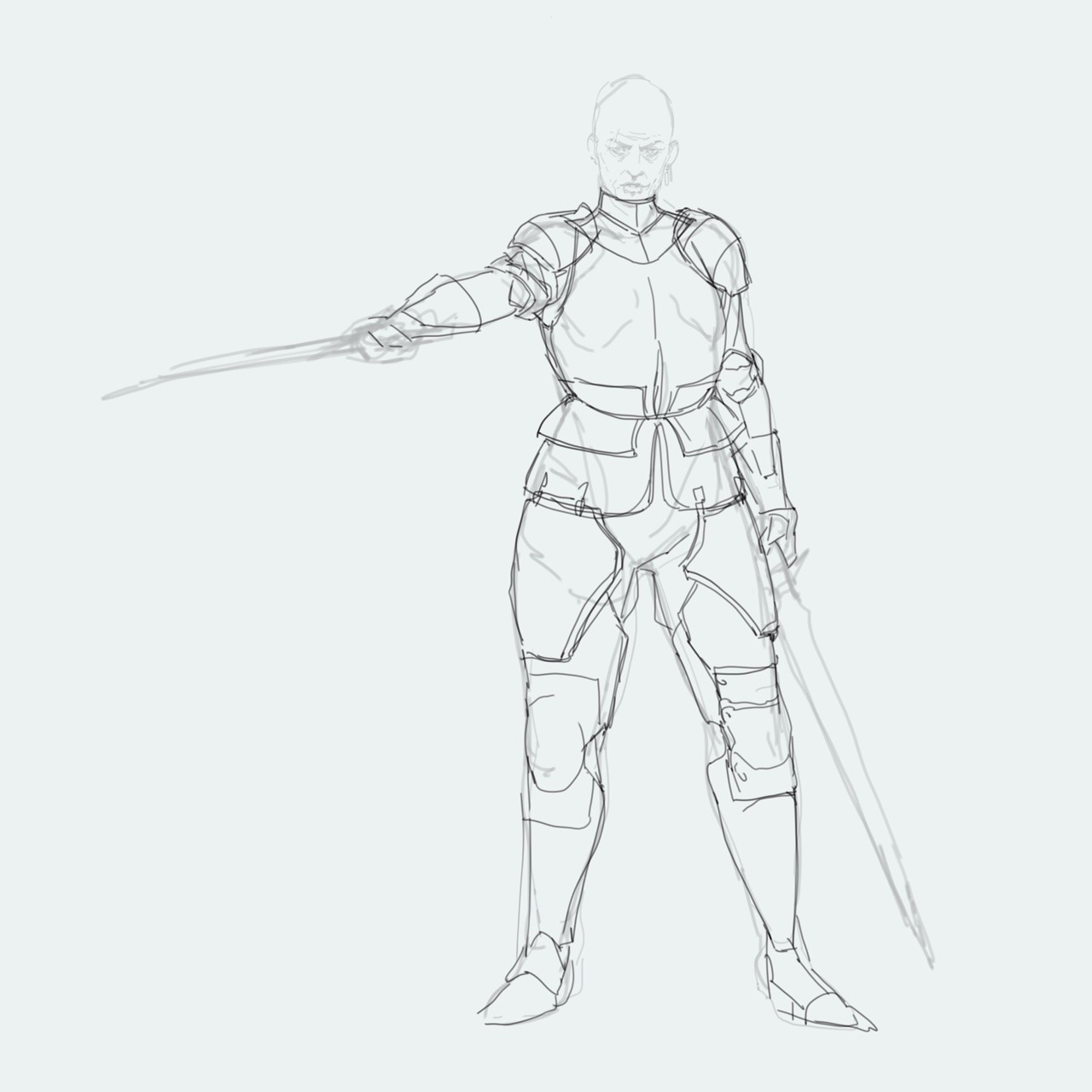
I’ve been thinking about it for a while and I finally had the time to work on a really simple walkthrough of my design process for armors! Hope it can be useful 😀
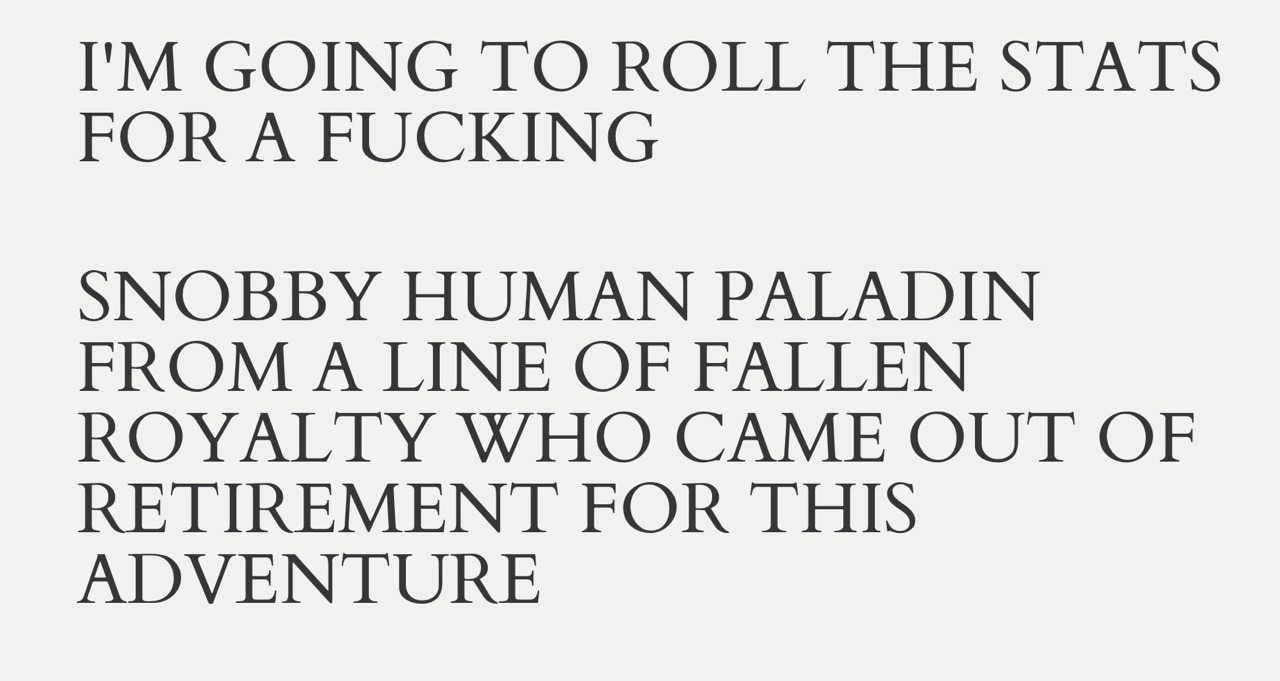
Before designing the attire I like to define first who this character is going to be, based on their alignment, their role, job and so on. I used a random dnd character generator and found a simple but cool prompt:
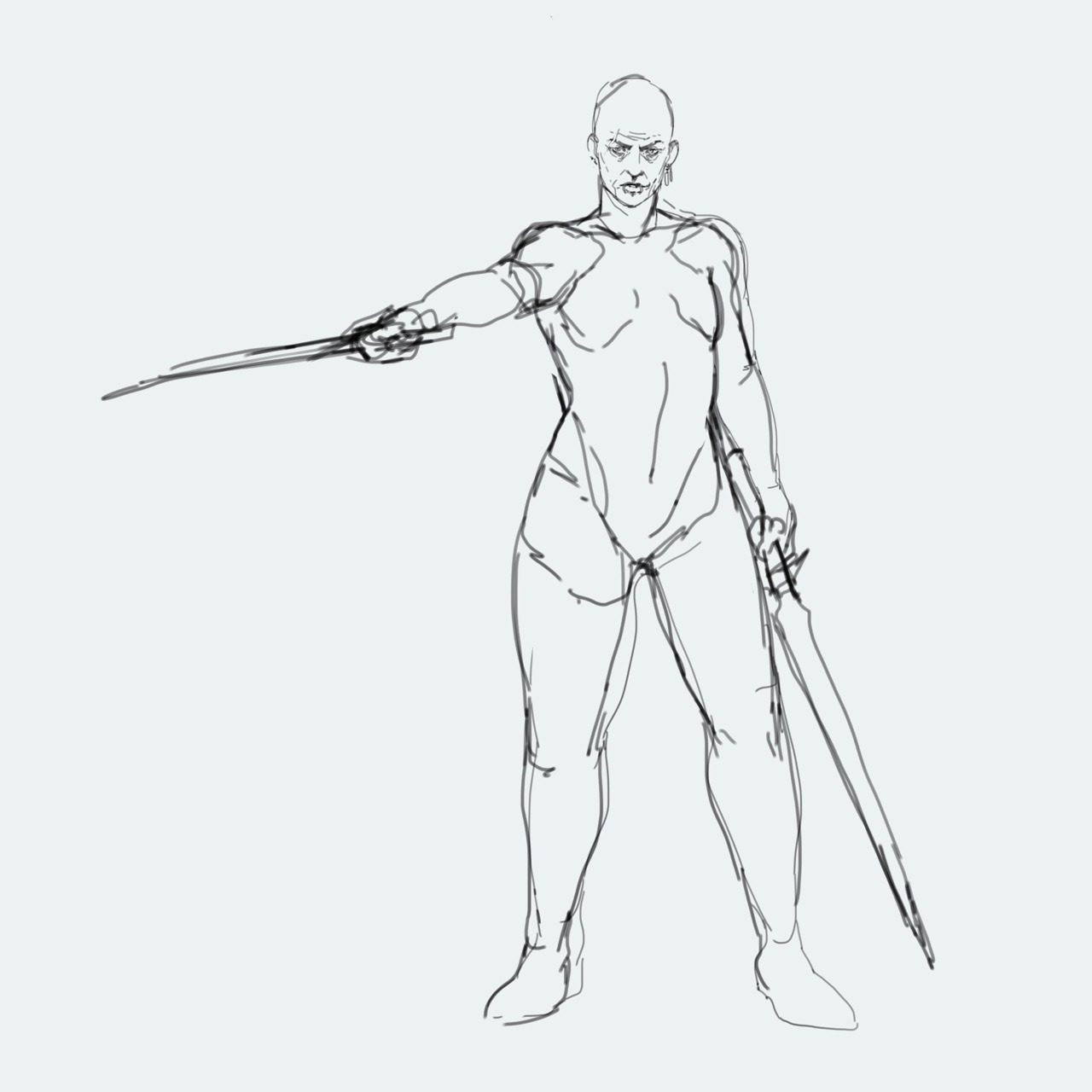
Based on this brief description the first step to take is to get a good silhouette and pose. Figure drawing and silhouette studies are a good method of exercise: they train you to think without any sort of detail. The pose alone should convey the whole mood. I wanted my human paladin to be an aged veteran knight in medium build, ready to strike and prepared to carry her weight in battle with two swords.
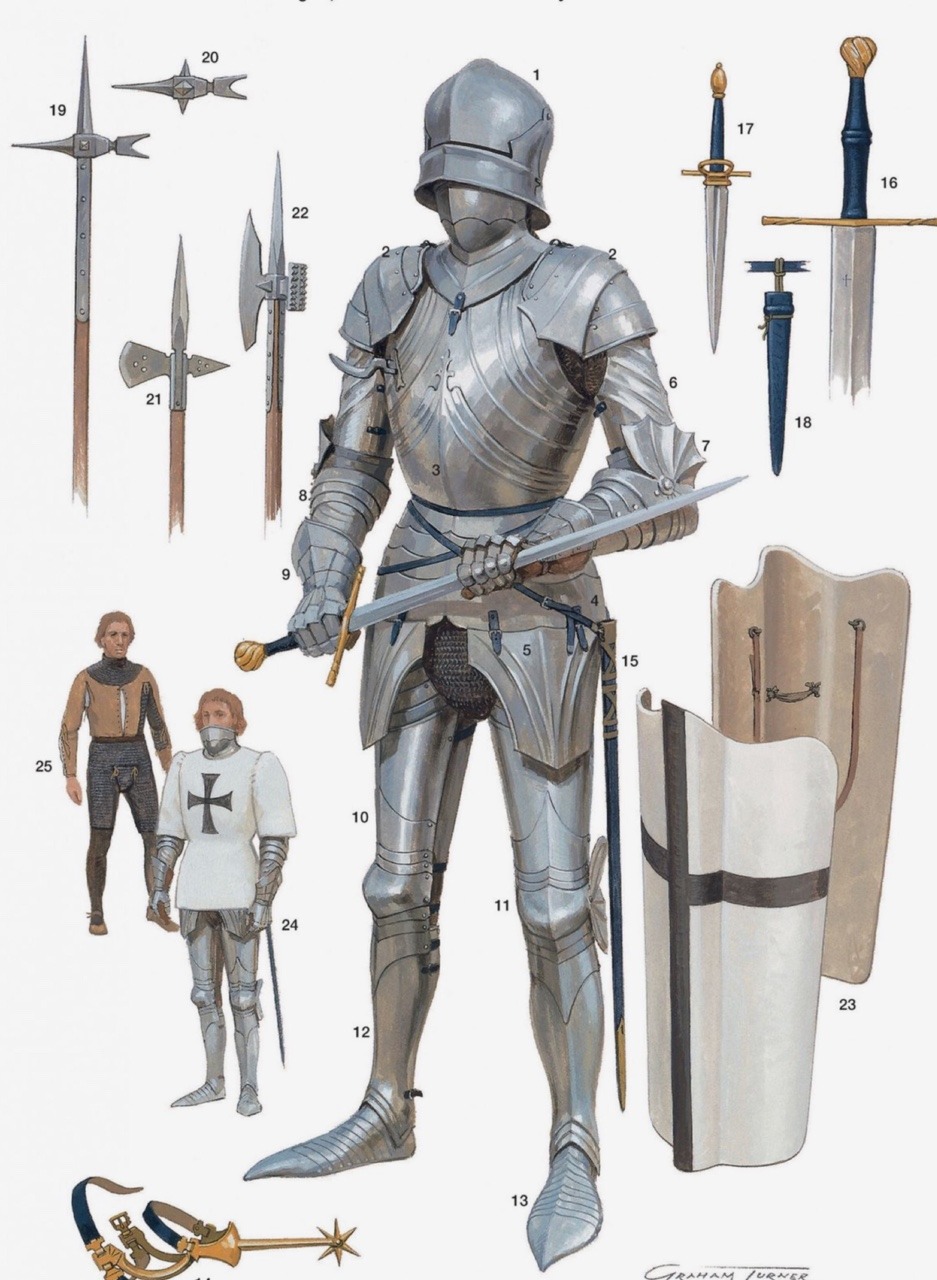
Armor is a tricky subject but only when you don’t know it. I study a lot from real traditional armor, because before designing something I have to figure out how it actually works in real life. I could recommend lots of book to buy but Pinterest does an amazing job in providing you with an endless stream of inspiration and photos/illustrations to study (Osprey Publishing has fantastic books about armor, weapons and military from 10th century and before to 20th century). I believe in functionality over beauty but with a middle ground that makes both aspects look good together instead of clashing (I’m looking at you, Korean concept artists): it’s my job to find a compromise between them. A good example to study is something like this:
Simple, readable, every rivet shown makes it understandable to know how to move into an armor like this. I also take lots of inspiration from fashion design but it’s another whole world lol, https://www.vogue.com/fashion-shows is pretty much the Bible for that since there’s a complete list of every season of pret-a-porter and couture from 1990 to the present day. It’s a fun game to play!
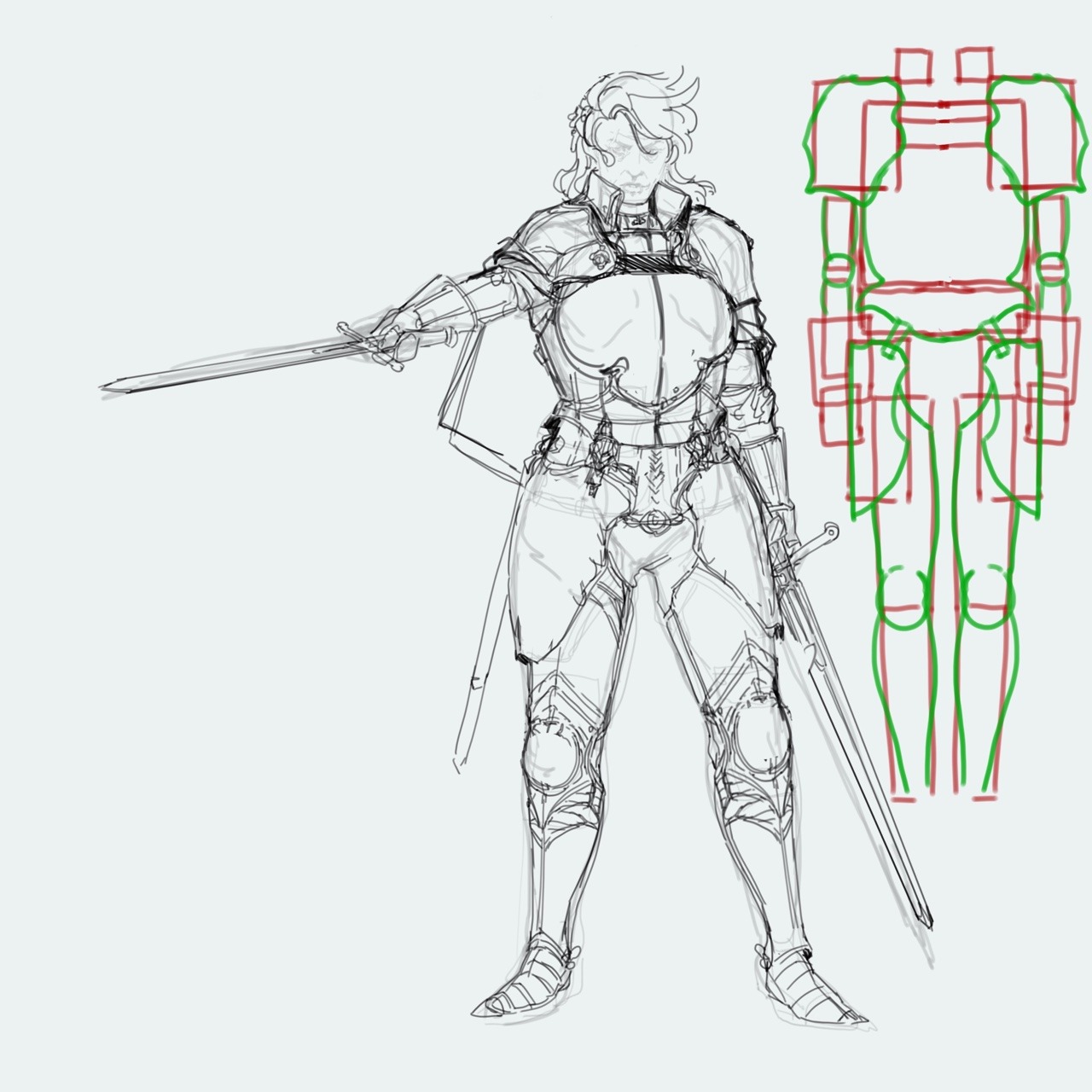
Question yourself when you design, “can I wear this? How? If I were to make a cosplay of this, how would I layer everything?”, if you’re aiming for realism you have to follow certain rules and guidelines. Speaking of guidelines, this is a simplification of the parts of the armor I want for this character.
You can call it a day and be done with it by refining the sketch a bit now. This is a good design, boring but functional. How do we make it more interesting? By using shapes and patterns to create a general theme, adding cloth parts like a cape and undershirt and all the elements needed like belts, chain mail and so on. Rectangles? Amazing. Circles into rectangles?? Beautiful craftsmanship (go wild)
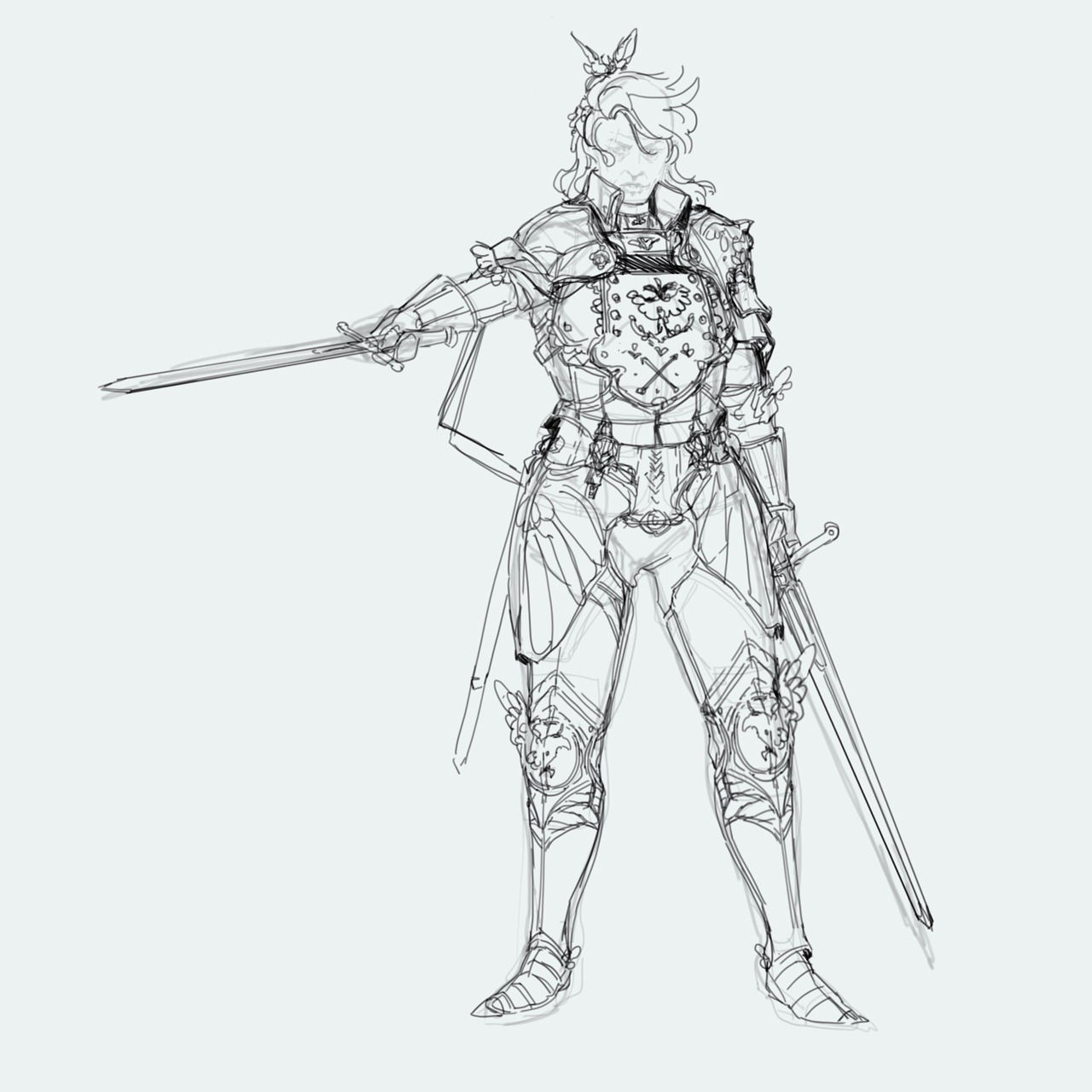
This is looking like a real character now, congrats! Here’s where the fun really begins though: details. Once the silhouette is defined you can customize the character all the way and make it look like there’s a story to be told even in the armor. I like to think of a theme and apply it to pretty much everything, it’s usually animals or flowers because often times knights had themes like those. This woman is a fierce, fearless mom figure, tired but wise, willing to help the young adventurers to see them leave the nest and fly on their own… like a bird… but like, a cool bird? Like a cool bird often associated with freedom?
Eagle theme are all over the armor: it intrigues the viewer and makes the design look complex enough to be interesting on its own. The knee and elbow parts are wings now, one of the pauldrons has a raging eagle coming out of it (asymmetrical details are cool!), the important parts connecting the armor are shown with little details that make it look like a custom made set. At this point I’m satisfied and can go onto colors, then rendering.
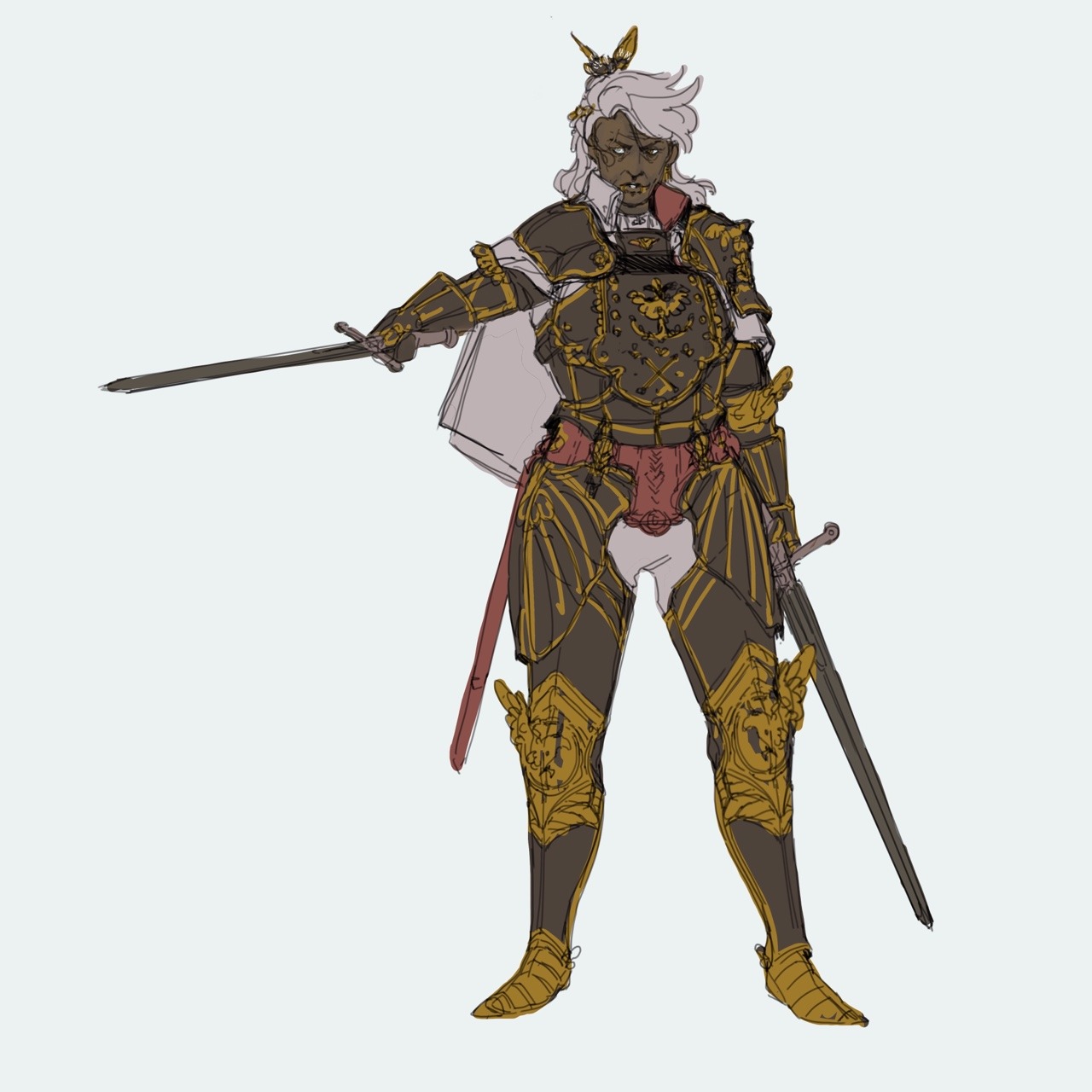
Colors take a big part into the character design but it’s not something I feel good enough to cover lol, the only advice I can share regarding this is to have in mind the materials of the outfit. Right now the breastplate is in a grey zone: a slight change in material can turn a decorated breastplate into a half coat. Defining material when you’re sketching is a neat way to save yourself some time and get a bit less stressed when you get to painting.
And it’s done! Hope it was helpful!
I just realized how terribly short her right arm is LOL please don’t shame me
me, visibly crying tears of joy and love: holy shit
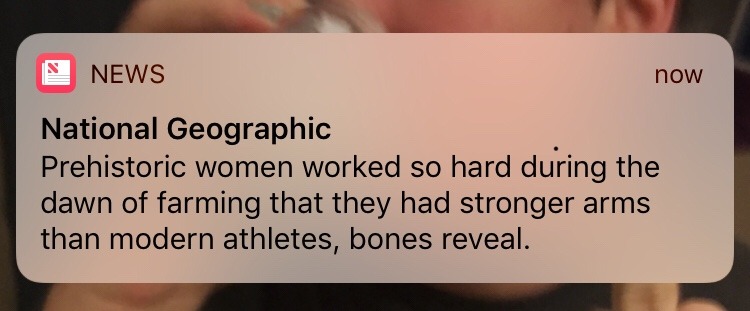
now every man who makes a show set in some historic or fantasy-historic time period now has to have incredibly jacked actresses, for “historical realism”
New York University said Thursday that it will cover tuition for all its medical students regardless of their financial situation, a first among the nation’s major medical schools and an attempt to expand career options for graduates who won’t be saddled with six-figure debt.
School officials worry that rising tuition and soaring loan balances are pushing new doctors into high-paying fields and contributing to a shortage of researchers and primary care physicians. Medical schools nationwide have been conducting aggressive fundraising campaigns to compete for top prospects, alleviate the debt burden and give graduates more career choices.
NYU raised more than $450 million of the roughly $600 million it estimates it will need to fund the tuition package in perpetuity, including $100 million from Home Depot founder Kenneth Langone and his wife, Elaine. The school will provide full-tuition scholarships for 93 first-year students—another nine are already covered through M.D./PhD programs—as well as 350 students already partway through the M.D.-only degree program.



 funeral-biscuit